For many families, starting school is one of the biggest milestones in a child’s early years.
As September approaches, parents often begin asking the same question:
“Is my child ready for school?”
While it’s natural to think about numbers, letters and early learning, true school readiness is about much more than academic ability.
It’s about helping children develop the confidence, independence, communication skills and resilience they need to thrive in a new environment.
The good news is that many of these important skills are built through everyday experiences, active play and positive social interactions.
Let’s explore some of the key qualities that help children feel prepared for their next big adventure.
What Does School Readiness Really Mean?
School readiness isn’t about being able to read, write or count perfectly before the first day.
In fact, many teachers and child development experts agree that social and emotional development often plays an even bigger role in helping children settle successfully into school life.
Children who feel ready for school are often able to:
- Communicate their needs
- Follow simple instructions
- Manage basic routines
- Interact positively with others
- Try new things with confidence
- Recover from small setbacks
These skills help children adapt more comfortably to new environments and build positive relationships with teachers and classmates.
Furthermore, every child develops at their own pace, and there is no perfect checklist for school readiness. What matters most is helping children feel confident, supported and excited about learning.
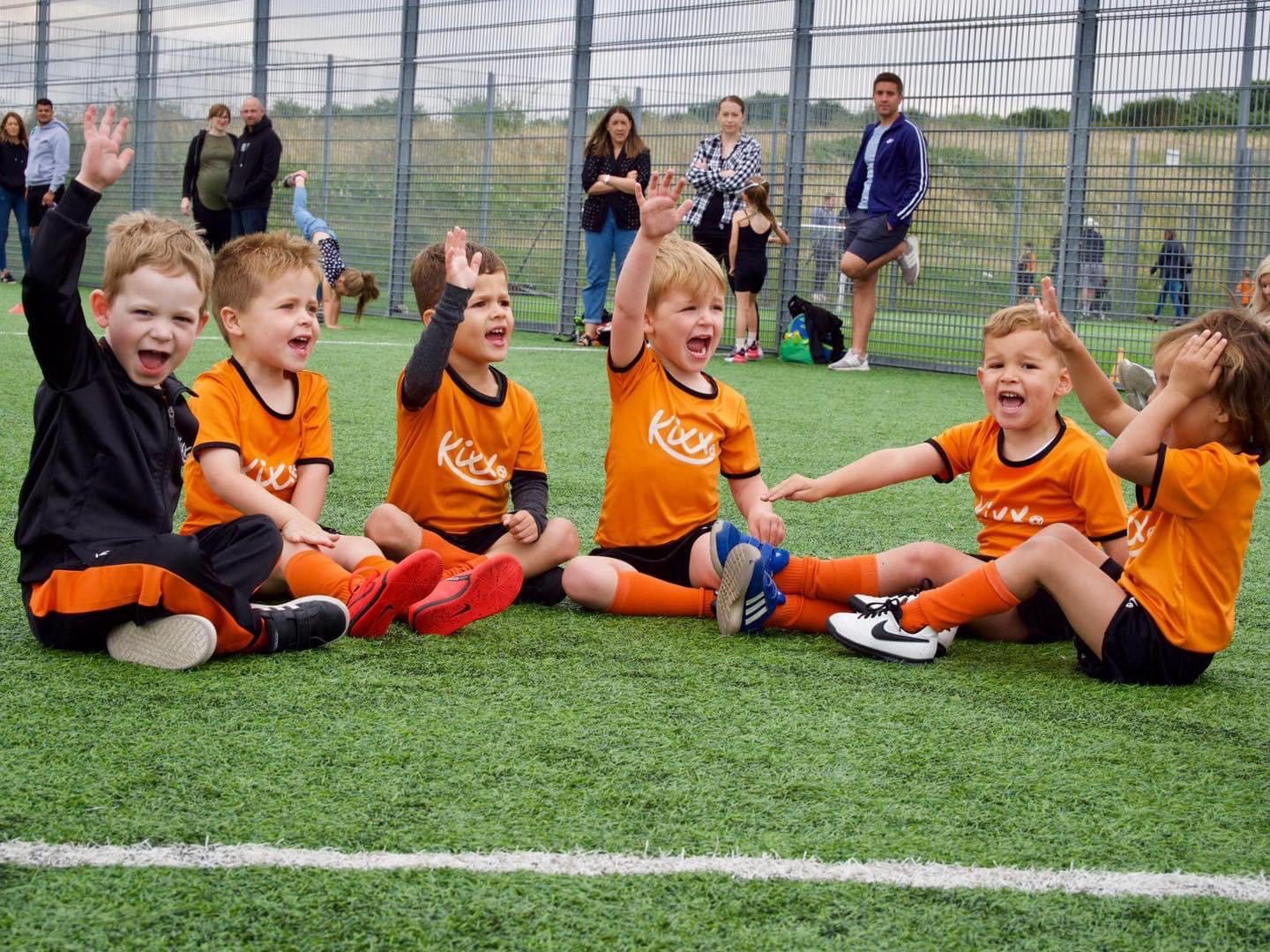
Listening and Following Instructions
Starting school means children are suddenly exposed to lots of new information.
Children encounter new teachers, different routines and unfamiliar expectations every day.
As a result, the ability to listen, process information and follow simple instructions becomes incredibly valuable.
This doesn’t mean sitting still for long periods or being perfectly behaved all the time.
Instead, it means learning how to focus attention, respond to guidance and engage with the activity in front of them.
Whether it’s listening to a teacher, joining a classroom task or participating in group activities, these skills help children feel more confident and capable in their new environment.
When children learn to listen carefully and follow instructions, they begin developing habits that support successful learning throughout their education.
Taking Turns and Working With Others
For many children, school is the first time they spend significant periods of time as part of a larger group.
That means learning how to:
- Wait patiently
- Take turns
- Share resources
- Celebrate other people’s success
- Work together
- Build friendships
These social skills don’t always come naturally.
However, they develop through experience.
Every game, group activity and shared challenge gives children an opportunity to practise these important life skills in a safe and supportive environment.
Over time, they learn that working alongside others can be fun, rewarding and enjoyable.
In addition, positive social interactions help children build empathy, communication skills and emotional awareness, all of which contribute to a successful start at school.
Building Confidence Around New People
Starting school introduces children to lots of unfamiliar faces.
This includes new teachers, support staff and classmates.
For some children, this is exciting.
However, for others, it can feel overwhelming.
One of the best ways to build confidence is by gradually exposing children to positive experiences with different adults and children.
The more opportunities they have to engage in new environments, the more comfortable they become adapting to change.
Confidence isn’t something children either have or don’t have.
Instead, it’s something that grows through positive experiences.
Every time a child joins a new activity, meets new people or successfully navigates a different environment, they strengthen their belief in their own abilities.
Developing Independence Before School
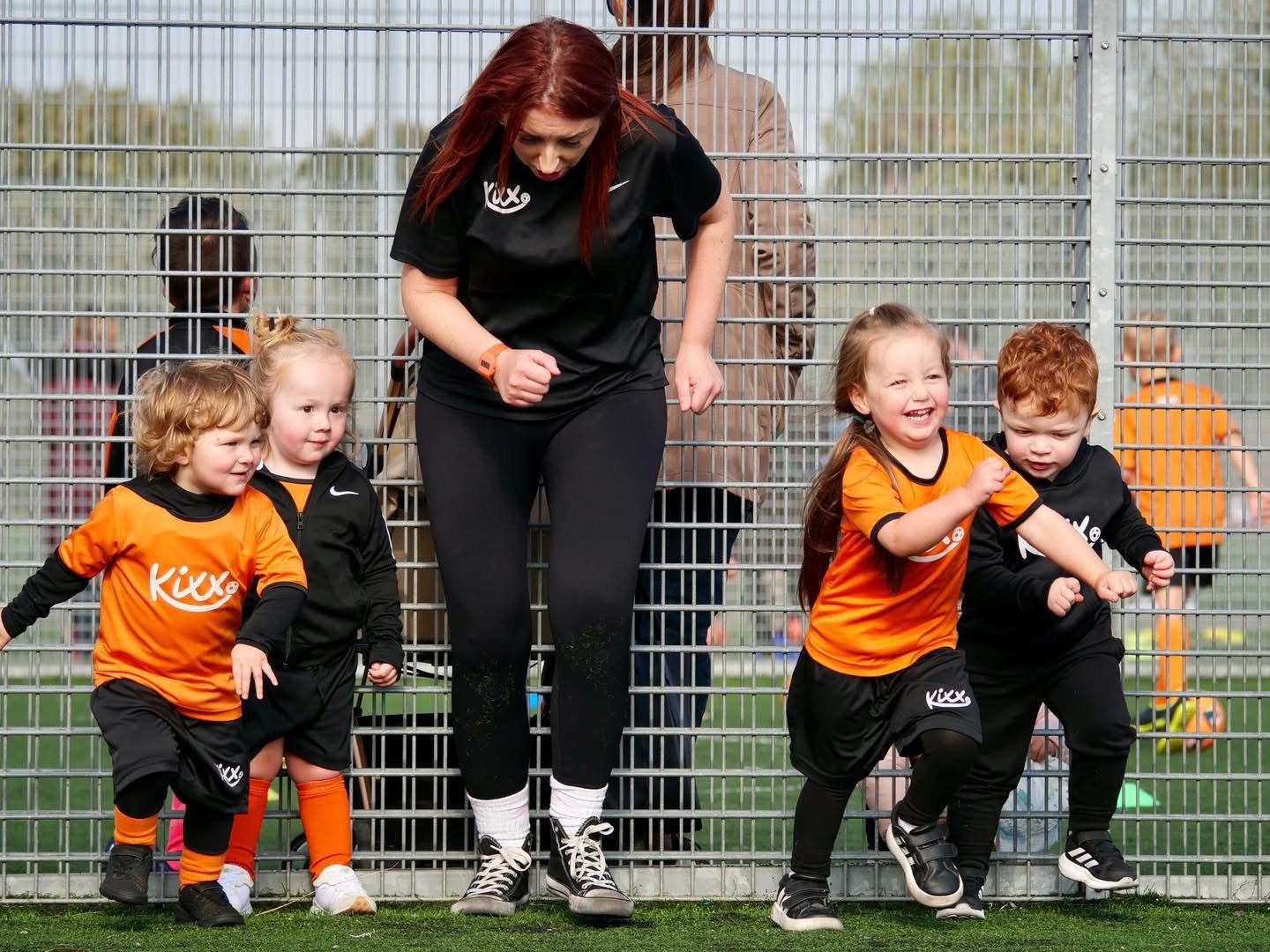
One area of school readiness that is often overlooked is independence.
Children don’t need to be completely self-sufficient before starting school.
However, developing simple everyday skills can help them feel more confident and capable.
These skills might include:
- Putting on their own coat
- Carrying their own bag
- Washing their hands independently
- Tidying away toys
- Following simple routines
- Making small choices for themselves
Each small success helps children build confidence and develop a sense of responsibility.
Although these moments may seem simple, they play an important role in helping children feel ready for the greater independence that school life brings.
Learning That It’s Okay Not to Get Everything Right
Perhaps one of the most important lessons children can learn before starting school is that it’s okay to make mistakes.
At some point, all children will encounter things they find difficult.
Likewise, every child will experience moments when something doesn’t go to plan.
However, the children who thrive aren’t necessarily the ones who get everything right first time.
They’re often the ones who are willing to keep trying.
Resilience is one of the greatest gifts we can help children develop.
When children learn that mistakes are part of learning, they become more willing to embrace challenges and less worried about getting things wrong.
They begin to understand that effort matters.
Progress matters.
Learning matters.
As a result, they develop a mindset that will benefit them throughout their education and beyond.
Why Active Play Matters
Children learn differently from adults.
Instead, they learn through movement, exploration and play.
Because of this, active experiences remain one of the most powerful ways for young children to develop important life skills.
Active play helps children develop:
- Confidence
- Coordination
- Balance
- Communication skills
- Problem-solving abilities
- Social skills
- Emotional resilience
These qualities support children’s overall development and help prepare them for the demands of school life.
That’s why opportunities to run, jump, play, explore and interact with others remain so important during the early years.
According to the NHS Physical Activity Guidelines for Children Under 5, regular active play supports healthy growth and development while helping young children build important physical, social and emotional skills.
Every Child’s Journey Is Different
As September approaches, it’s natural to compare your child to others.
While one child may already seem incredibly independent, another may still want plenty of reassurance.
Similarly, one child may be counting confidently, while another may prefer imaginative play.
That’s completely normal.
Children develop at different rates, and there is no single checklist that determines whether a child is “ready” for school.
What matters most is that they feel supported, encouraged and given opportunities to develop confidence in themselves.
After all, the goal isn’t to rush development.
Instead, it’s to help children grow at a pace that is right for them.
How Kixx Supports School Readiness
At Kixx, football is simply the vehicle.
What we’re really passionate about is helping children grow.
Every session gives children opportunities to:
- Build confidence
- Follow instructions
- Listen actively
- Take turns
- Work with others
- Develop independence
- Solve problems
- Try new challenges
- Build resilience
All while having fun and making friends.
These are the same qualities that can help children transition successfully into school life.
Furthermore, children develop these skills in a positive environment where encouragement, enjoyment and personal growth are at the heart of every session.
School Readiness Is About More Than Academics
As nursery graduations come to an end and families begin preparing for September, it’s worth remembering that school readiness is about much more than academic ability.
School readiness is built on confidence and independence.
It also relies on resilience when challenges arise.
Most importantly, it helps children develop belief in their own abilities.
When children develop these qualities, they arrive at school ready to embrace new experiences, build relationships and enjoy learning.
And when children believe in themselves, amazing things can happen.
Ready for September?
When your child walks through those school gates for the very first time, you won’t be thinking about how many letters they know or how high they can count.
You’ll be hoping they feel happy.
Confident.
Capable.
Ready to embrace whatever comes next.
At Kixx, that’s exactly what we’re passionate about helping children develop.
Through fun, engaging and age-appropriate football sessions, we help children build confidence, resilience, independence and friendships that can support them throughout their school journey and beyond.
Find your nearest Kixx Academy and discover how we help children grow both on and off the pitch. 🧡⚽️